
What Does a Martial Arts Stunt Actor Do? Roles, Skills, and Life Behind the Scenes
Martial arts stunt actors bring high-energy action to life through discipline, precision, and an impressive mix of physical and creative skills. If you’ve ever watched a movie fight scene or fast-paced chase that felt real and thrilling, there was a dedicated stunt performer behind it.
Understanding what does a martial arts stunt actor do gives filmmakers, casting directors, and aspiring performers a clearer view of the talent and preparation required to make standout action sequences possible. From long rehearsal days to split-second decision-making on set, martial arts stunt performers combine training, timing, and strong storytelling instincts to deliver unforgettable action on screen.
The Daily Responsibilities of a Martial Arts Stunt Performer
A martial arts stunt performer assumes responsibilities that extend far beyond executing fight scenes. Their work begins long before cameras roll and extends through coordination, rehearsal, and moment-to-moment adjustments on set. Whether working on a large-scale production or a smaller independent project, stunt performers support the director’s vision by building action sequences that feel authentic and safe.
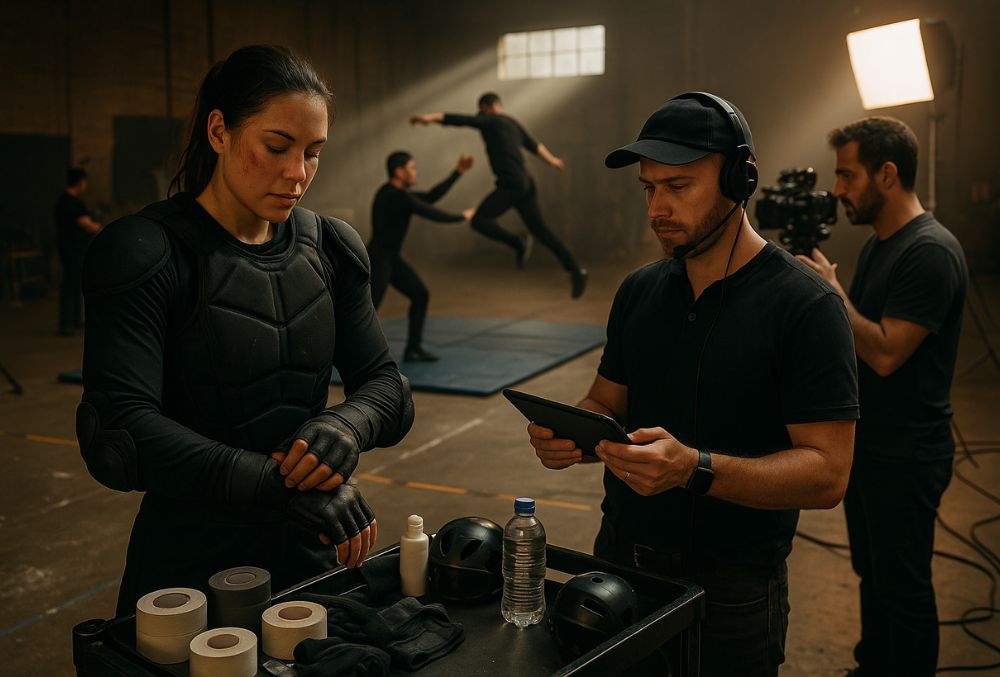
This includes learning choreography, adapting movements to camera angles, and working closely with actors to maintain continuity from shot to shot. Each performer must be prepared to adjust quickly when scenes shift or when directors request alternative approaches to maintain high energy.
Communication plays a big role, allowing performers to stay aligned with stunt coordinators, camera operators, and the broader production team. These relationships build trust, which ensures every stunt is carried out with confidence and clarity.
Stunt performers also take care of physical preparation.
This often means arriving early for walkthroughs, warming up for demanding sequences, and checking gear or pads to maintain safety. Even with the intensity of film environments, performers stay focused on timing, awareness, and the details that make complicated scenes run smoothly. Their professionalism and reliability are what help production days stay on track, keeping action scenes safe and visually strong.
Skills That Define an Exceptional Stunt Actor
The most memorable stunt actors stand out because of their skill, creativity, and commitment to ongoing training. Exceptional performers build a wide foundation of martial arts techniques, working over years to sharpen timing, precision, body control, and the ability to adapt to many different roles. These skills allow them to create action that looks powerful, fast, and believable while staying controlled and safe for everyone involved.
Specialized stunt training supports this foundation. Performers learn falls, rolls, wire work, reaction timing, and advanced coordination that supports both creative and technical requirements. The ability to adjust quickly is also important.
A performer may need to modify choreography for a new camera angle or adapt motion to fit a character’s personality. Creativity allows performers to offer ideas that elevate a scene and help directors find the best version of an action moment.
A performer’s background and personal style also influence their work. Cultural experience, varied martial arts disciplines, and unique creative instincts help shape how performers handle movement and storytelling through action. This individuality is a distinguishing factor that contributes to memorable screen presence.
Stunt performers who blend technical precision with artistry stand out to directors and coordinators seeking fresh approaches to complex sequences.
For professionals like Kwok One, these skills support a strong connection between performance and visual storytelling. His approach blends creativity, physical discipline, and multicultural influence, helping bring a distinct style to each production he joins.
Behind the Scenes: How Stunt Preparation and Safety Shape the Work
Behind every polished action scene is a significant amount of preparation. Stunt performers invest hours into training, choreographing, and rehearsing movements so they appear seamless once captured on camera. Preparation often begins during pre-production, where performers meet with coordinators and directors to understand story elements and discuss the style of action needed for the project.
Rehearsals give performers the chance to break down choreography, fine-tune movement, and practice timing in a controlled environment. Repetition allows the entire stunt team to build trust and fluidity, ensuring everyone knows exactly what to expect before stepping onto the filming stage. These rehearsals support the coordination between performers, camera operators, and other departments who contribute to how movement looks on screen.
Safety is a constant priority. Stunt performers rely on protective gear, mats, spotters, and carefully organized stunt plans to keep risk manageable throughout each production day. Before each take, teams perform safety checks, confirm communication signals, and review choreography. These routines support consistency and prevent avoidable injuries during demanding scenes.
Even after rehearsals, performers stay prepared for adjustments. Directors may request new angles, alternate pacing, or different intensity for a scene based on the story’s needs. Performers adapt by staying aware, flexible, and ready to make controlled changes on command. These behind-the-scenes elements shape the success of every action sequence, reinforcing why training, awareness, and teamwork drive strong stunt performance.
Career Pathways and Opportunities in Martial Arts Stunt Work
Building a career as a martial arts stunt actor takes dedication, practice, and strong industry relationships. Many performers begin with martial arts backgrounds or athletics, then expand their abilities with formal stunt training.
Training in various movement styles supports versatility and makes performers more adaptable for a range of roles. Skills such as falls, flight choreography, and coordination with rigging teams help build a strong foundation for long-term career growth.
Networking within the industry is an important part of getting early opportunities. Meeting directors, stunt coordinators, and performers introduces new avenues for auditions and training workshops.
Early career performers often gain experience through smaller projects or student films, where they can sharpen their skills and build a portfolio. Over time, a reputation for professionalism, safety awareness, and creative thinking leads to more opportunities with larger productions.
A career in the stunt industry also benefits from continued learning. New stunt techniques, updated safety practices, and changing film technology encourage performers to keep training and expanding their skill set. Those who remain curious and committed often find lasting success.
Industry role models like Kwok One demonstrate how passion, persistence, and strong creative instincts can shape a rewarding career. His journey highlights how performers can bring their individuality forward, using cultural background, physical skill, and creative storytelling to stand out in a competitive field.
Connecting with Industry Leaders and Building Momentum
Relationships within the film and stunt community help performers access guidance, mentorship, and training opportunities. Performers who stay connected with experienced leaders gain valuable insights into the realities of on-set work. They also benefit from workshops, conversations, and collaborative projects that broaden their skill set.
Kwok One is an example of a performer who brings creativity, industry insight, and supportive leadership to those who are new to stunt performance. Through training opportunities, community events, educational resources, and personal guidance, he helps emerging talent understand what it takes to succeed. His work emphasizes the importance of community and shared growth across all roles in stunt performing and martial arts.
Aspiring performers can find value in reaching out to leaders, attending industry events, and participating in training programs that build confidence and capability. A strong network helps performers stay informed about opportunities, supports growth, and strengthens their presence within the field.
As the demand for authentic action rises, directors and casting teams continue to seek performers who bring skill, creativity, and professionalism to the screen. Those who commit to training and stay eager to learn will find meaningful opportunities to make an impact.
If you’re ready to move into stunt performing or want to improve your action sequences as a filmmaker, now is the perfect time to take your next step. Learn from industry professionals, build your skills, and connect with teams who bring passion and discipline to every project.