
How Martial Arts Actors Train: Methods, Conditioning, and On-Set Application
Understanding how martial arts actors train reveals the discipline, structure, and creativity that make action scenes feel authentic. Every performer commits to ongoing martial arts training and conditioning to prepare for demanding film roles. The work blends physical preparation, choreography, mental focus, and collaboration with film industry professionals.
This overview shares how martial artists train, how they refine skills for performance, and how training environments like Action Academy and Warrior Collective contribute to on-screen success.
The Mindset That Shapes Martial Arts Actor Training
Training for film requires a mindset built on commitment, steady focus, and the ability to push through long and challenging rehearsal days. Martial arts actors develop habits that support both physical performance and on-set reliability. These habits influence how they prepare for roles, respond to direction, and maintain stamina during repeated takes.
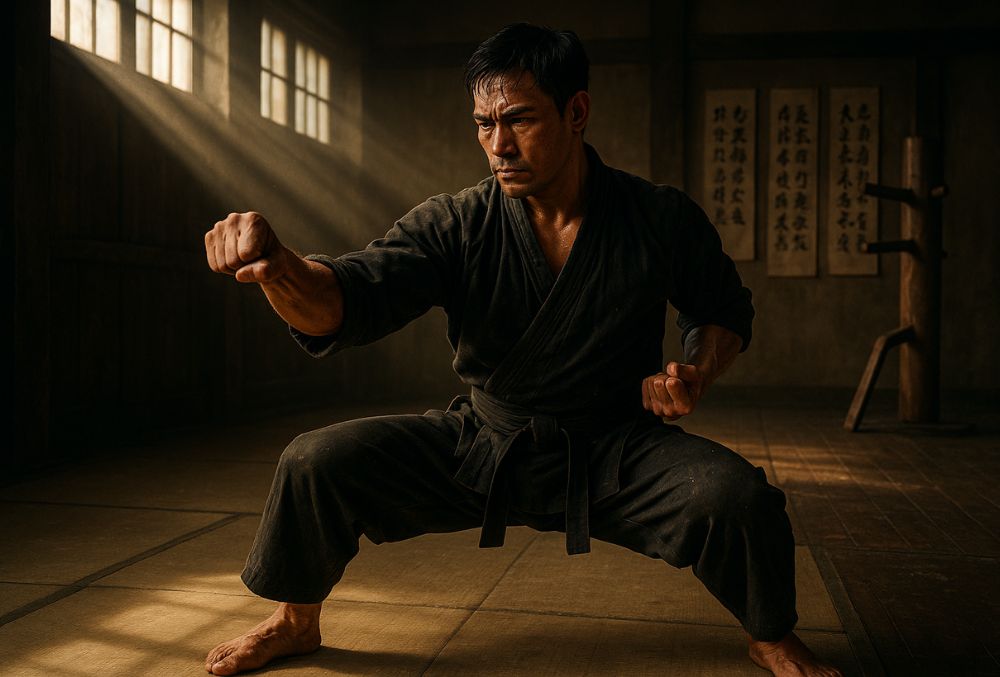
Training begins with mental preparation. Actors work on concentration, breath control, and awareness, all of which support strong movement choices during fight sequences. Many performers draw from traditional martial arts practices to stay centered during long stretches of choreography. A disciplined mindset also allows actors to remain adaptable.
Fight scenes evolve quickly on set, and performers must adjust timing or movement to match camera angles, lighting cues, or revised choreography.
Actors with black belt backgrounds often bring additional experience with structured practice and technical refinement. This experience supports body awareness, timing, and coordination, which are essential for film choreography. Kwok One demonstrates how discipline and creativity work together during performance preparation. He approaches roles with attention to character, movement quality, and the intention behind each action.
This mindset strengthens both the technical and artistic sides of martial arts acting, allowing performers to express emotion and character through movement. When preparing for fight scenes, the mindset of a martial arts actor becomes a core part of the performance. Taking the time to build consistency and focus ensures that every sequence reflects control, precision, and on-camera presence.
Building a Strong Physical Foundation at Action Academy
A martial arts actor’s training routine begins with physical preparation. Strength, conditioning, and mobility all play a major role in how effectively an actor performs choreography. Training facilities like Action Academy provide structured programs that blend martial arts training with conditioning suited for film work. These sessions give actors the physical foundation needed for dynamic and safe performance.
Strength routines emphasize full-body movement. Squats, lunges, kettlebell training, and bodyweight exercises help actors generate power without sacrificing mobility. Flexibility and mobility work support high kicks, deep stances, and smooth transitions between movements. A strong core is especially important. It supports balance, helps protect the spine, and improves rotational power for striking techniques.
Conditioning work improves stamina for long shooting days. Martial arts actors perform the same sequence many times to capture different angles, so endurance is necessary to maintain clean movement and timing. Interval drills, footwork exercises, bag work, and controlled sparring rounds help actors build the energy needed for demanding scenes.
Action Academy also focuses on agility. Agility ladders, fast footwork drills, and dynamic stretching help actors move quickly and react to partner timing. Agility improves performance in chase scenes, close-quarters movement, and detailed choreography. Actors who complete this training develop a well-rounded physical base that allows them to adapt to various martial arts styles and on-set demands.
This preparation supports both safety and performance quality. When the body is conditioned and responsive, actors reduce the risk of injury and deliver smoother choreography across multiple takes.
Choreography and Film-Ready Skills Developed with Warrior Collective
Martial arts training is only the starting point. Preparing for on-screen roles requires skills that adapt real martial arts into visually compelling film action. Warrior Collective is known for training performers, instructors, and filmmakers in choreography techniques. Their programs help actors blend authentic martial arts styles with camera-friendly movement.
Warrior Collective focuses on integrating various martial arts styles, including kung fu, Muay Thai, Taekwondo, and boxing. This approach gives actors a wide vocabulary of movement to draw from. Different roles call for different styles. A period piece may use traditional kung fu forms, while a contemporary scene might blend boxing and kickboxing for a grounded look. By studying multiple systems, actors build versatility and learn how to express character through movement.
Choreography training shows actors how to modify real techniques for safety and visual clarity. A strike performed for film often uses a different angle or distance than in traditional practice. Actors learn how to create convincing movement that reads well on camera without causing contact.
Timing drills reinforce how to match reactions with a partner, land cues at the correct moment, and maintain rhythm during extended sequences.
Working within groups teaches actors how to collaborate, coordinate, and adjust choreography on the fly. Warrior Collective sessions often involve teamwork, where performers refine spacing, tempo, and flow. This environment mirrors a film set and prepares actors for fast adjustments during production days.
The result is choreography that feels real and controlled. Actors trained in this method can handle new sequences quickly, adapt movements for wide or close shots, and maintain performance quality under time pressure.
Translating Martial Arts Training to Film Sets
Once actors complete physical conditioning and choreography practice, the next step is applying these skills on set. Film environments introduce additional complexity, including camera placement, stunt partners, props, costume limitations, and safety guidelines. Actors must combine martial arts training with awareness of the technical needs of filmmaking.
Safety is the foundation of on-set work. Actors rehearse sequences with stunt coordinators, review each movement, and run timing checks to ensure safe spacing. Protective gear, mats, and spotters may be used during rehearsal. Actors rely on strong communication with the team, especially during scenes that involve falls, throws, or rapid exchanges.
Camera awareness also affects performance. Actors learn how to adjust angles, change foot placement, or enlarge movement to fit the frame. A strike may need to travel differently depending on whether the camera is close or distant. Choreography is adjusted to suit these needs while keeping intention and character intact.
Costumes introduce additional considerations. Heavy clothing or restrictive wardrobe pieces may reduce mobility. Actors adapt by modifying stances or altering combinations to avoid catching fabric or losing balance. Footwear also affects traction and movement quality, so training helps actors respond to different surfaces and environments.
Directors may adjust sequences throughout the day. Martial arts actors respond by maintaining focus and staying ready to adapt choreography. These quick adjustments rely on training, experience, and familiarity with the movement style. Kwok One is known for balancing safety and spectacle during high-intensity sequences by working collaboratively with production teams.
On-set application completes the training cycle. Actors combine conditioning, choreography, partnership, and technical awareness to deliver sequences that feel natural and maintain flow through repeated takes. This blend of skills allows martial arts actors to support the story, the performance, and the visual impact of the scene.
Training Resources and Tools for Aspiring Martial Arts Actors
Aspiring actors benefit from structured resources that support their training goals. Checklists, daily routines, and focused training programs help performers stay organized and consistent.
Workshops and training programs from Action Academy and Warrior Collective offer additional learning opportunities. These sessions support both newcomers and experienced actors seeking to refine performance skills. Training with skilled instructors builds confidence, sharpens technique, and provides a supportive environment for developing film-ready movement.
Whether preparing for independent film roles or large-scale productions, structured resources help martial arts actors stay consistent and ready for new challenges. The combination of physical preparation, martial arts study, choreography training, and technical awareness shapes the professional path for performers who want to bring authentic action to the screen.
If you are ready to develop your abilities and bring strong action performance to your next project, now is an ideal time to refine your training. Connect with martial arts mentors, study diverse movement styles, and use performance tools to support your growth.