
Cultural Context in Cantonese Voice Acting and Its Influence on Storytelling
Cantonese voice acting plays a significant role in shaping how stories are experienced by audiences who value linguistic authenticity and cultural familiarity. Language carries identity, and within Cantonese-speaking communities, it reflects traditions, humour, social norms, and historical background. Productions that recognise the cultural context in Cantonese voice acting are better positioned to create meaningful audience connections.
As global media continues to reach wider audiences, the importance of culturally grounded voice performances becomes increasingly noticeable.
For filmmakers, game developers, and content creators looking to book Cantonese talent, selecting performers who understand the language and its cultural nuances helps maintain narrative integrity while ensuring communication feels natural and relatable.
This approach supports both creative storytelling and audience trust, particularly within regions such as Hong Kong where Cantonese remains an important part of everyday life and media consumption.
Understanding How Cantonese Voice Acting Reflects Chinese Cultural Identity and Audience Expectations
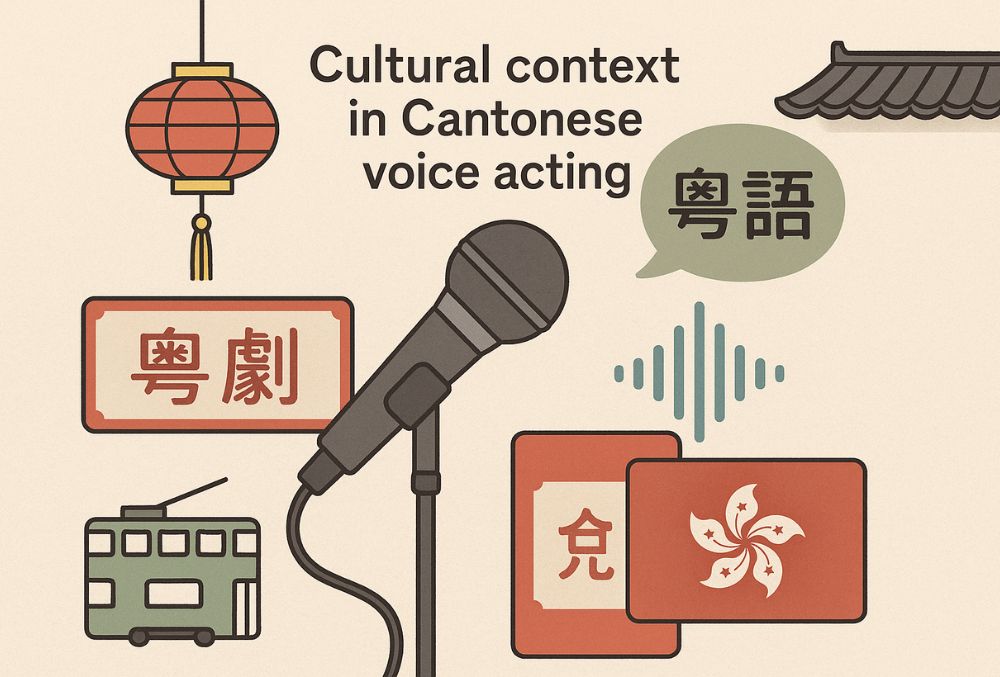
Cantonese is closely tied to a rich cultural heritage that extends across generations and regions. It is not simply a spoken form of Chinese communication but a representation of shared values, humour, and social interaction. In voice acting, this means that each performance carries subtle references to cultural identity, whether through tone, phrasing, or delivery style. Audiences familiar with Cantonese often recognise these details instantly, which influences how they respond emotionally to characters and narratives.
Chinese cultural elements such as respect for hierarchy, family dynamics, and social etiquette are often embedded within dialogue delivery. Voice actors who understand these elements can shape performances that align with audience expectations. This creates a more believable and engaging experience, particularly in film, television, and animation. Productions that overlook these aspects may struggle to resonate with viewers, as even small inconsistencies in tone or expression can affect authenticity.
For media creators, recognising the cultural context behind Cantonese dialogue supports stronger localisation practices. Instead of relying on direct translation, scripts can be adapted to reflect culturally relevant expressions. This approach ensures that stories maintain their emotional depth while remaining accessible to Cantonese-speaking audiences.
How Cantonese Dialect Differences Influence Voice Performance and Character Authenticity
The Cantonese dialect includes a wide range of regional differences, each contributing to how a voice performance is perceived. While Cantonese is widely associated with Hong Kong, variations also exist across Guangdong and other areas of China.
For voice actors, understanding these distinctions is necessary when portraying characters from specific backgrounds. A character based in Hong Kong may use different expressions compared to one from another region, and audiences can easily recognise these variations. This awareness allows performances to feel grounded in a specific setting rather than generic or disconnected.
Dialect differences also influence how humour, sarcasm, and emotion are communicated. Cantonese is known for its expressive nature, and small tonal changes can alter meaning significantly. Voice actors must therefore balance technical accuracy with cultural familiarity to deliver believable performances. Production teams benefit from considering these factors during casting and direction, ensuring that each voice aligns with the intended narrative context.
In addition, generational differences within Cantonese-speaking communities can influence how language is used in media. Younger audiences may prefer contemporary slang and faster speech patterns, while older audiences may connect with more traditional expressions and formal tones. Voice actors and directors who understand these shifts can adjust performances to suit specific demographics, ensuring that content remains relevant and engaging across different audience segments.
The Relationship between Localization Strategies and Culturally Accurate Cantonese Voice Delivery
Localization plays a central role in adapting content for different audiences, and Cantonese voice acting is a major part of this process. Effective localization goes beyond translating words into another language. It involves adjusting dialogue so that it reflects cultural expectations, social references, and everyday communication styles.
In Cantonese media, localization often includes adapting idioms, humour, and conversational patterns to suit the target audience. Direct translations from Mandarin or other languages may not always carry the same meaning when expressed in Cantonese. This is why culturally informed voice performances are important for maintaining narrative consistency.
Voice actors contribute to this process by interpreting scripts in a way that feels natural within the Cantonese context. Their understanding of language and culture allows them to adjust delivery while preserving the intent of the original content. Production teams that prioritise culturally aware localization are more likely to create content that resonates with audiences across different platforms, including streaming media, animation, and video games.
Another important consideration within localization is the adaptation of cultural references that may not directly translate across regions. Expressions tied to local traditions, festivals, or social habits may require adjustment so that they feel familiar to Cantonese-speaking audiences. This process demands collaboration between writers, translators, and voice actors to ensure that dialogue maintains both meaning and cultural relevance.
Practical Considerations for Casting Cantonese Voice Talent in Culturally Driven Productions
Casting for Cantonese voice roles requires a careful approach that balances linguistic skill with cultural familiarity. Productions aiming for authenticity benefit from selecting performers who can naturally reflect real communication patterns, including tone, rhythm, and social context. A strong casting strategy focuses on how well an actor can bring cultural meaning into dialogue rather than simply delivering lines accurately.
Directors and casting professionals often assess how effectively voice actors handle emotional variation, adjust to different speaking styles, and interpret culturally grounded scripts. Experience within Cantonese-focused projects can also shape how confidently an actor delivers performances that align with audience expectations and narrative intent.
Collaboration between creative teams supports stronger results throughout the casting and recording process. When actors work alongside directors and cultural consultants, dialogue can be refined to match natural speech patterns. This helps avoid rigid delivery and ensures performances feel fluid and believable.
For productions targeting Cantonese-speaking audiences, these decisions strengthen audience connection and reinforce the credibility of the overall project. Carefully selected voice talent contributes to storytelling that feels authentic and culturally aligned.
The use of remote auditions and digital tools has also expanded access to Cantonese voice actors worldwide. While this creates more opportunities, it requires detailed evaluation methods to maintain consistency in performance quality. Reviewing portfolios, conducting directed sessions, and testing with culturally relevant material help ensure the selected voice aligns with the production’s goals.
- Analyse pacing control across varied dialogue speeds and scene intensity
- Examine tonal stability when delivering layered emotional expressions
- Measure flexibility in adapting to different character archetypes
- Check pronunciation precision during long-form recording sessions
- Monitor responsiveness to live creative adjustments during direction
Integrating Cultural Awareness into Voice Direction and Production Workflows for Better Results
Voice direction shapes how cultural understanding is translated into performance. Directors guide actors through tone, pacing, and emotional delivery so that each line reflects natural communication patterns within Cantonese-speaking communities. When cultural awareness is embedded into direction, performances become more believable and aligned with real-life interaction.
Production workflows benefit from including cultural input at multiple stages, from early script review to final recording. Native speakers and cultural consultants can identify subtle inconsistencies and suggest refinements that improve authenticity. This collaborative process supports clearer communication while preserving narrative intent.
Cultural awareness also informs character development. A character’s background, relationships, and environment influence how they speak and respond in different situations. Aligning voice direction with these factors allows performances to feel more consistent and grounded within the story.
As content continues to reach global audiences, maintaining cultural accuracy in voice production supports both creative quality and audience engagement. It ensures that dialogue retains meaning while adapting effectively across different linguistic contexts.
Maintaining consistency across extended productions is equally important. Whether in episodic series or interactive formats, stable vocal delivery and emotional continuity help preserve character identity. Careful direction ensures performances remain coherent over time, supporting a seamless audience experience.
- Incorporate rehearsal feedback loops to refine delivery before final recording
- Align performance tone with narrative setting and character background
- Use reference material to standardise pronunciation and speech patterns
- Coordinate direction across teams to ensure uniform performance quality
Collaborate with Kwok One for Authentic Cantonese Voice Performances
For productions seeking a performer who brings depth, discipline, and cultural awareness into every role, Kwok One offers a distinctive creative advantage. With a background that combines acting, martial arts, and theatre, he delivers performances shaped by physical expression, emotional control, and a strong understanding of storytelling across different formats. This versatility allows him to adapt seamlessly to film, animation, voice acting, and stage work while maintaining consistency in character portrayal.
Creative teams, casting directors, and producers looking to strengthen the cultural integrity of their projects can benefit from working with an artist who understands both performance technique and Cantonese communication nuances. Kwok One approaches each collaboration with a focus on authenticity, ensuring that every voice performance aligns with the intended narrative tone and audience expectations.
His experience across different performance disciplines enables him to approach voice acting with a broader creative perspective. Martial arts training contributes to rhythm, timing, and controlled expression, while theatre experience supports character depth and emotional delivery. These combined skills allow him to interpret scripts in a way that feels natural, expressive, and aligned with cultural expectations.
Beyond performance, his collaborative mindset supports smoother production workflows. He works closely with directors and creative teams to refine dialogue, adjust delivery, and ensure that each project maintains a strong connection to its intended audience. This cooperative approach allows productions to benefit from both artistic insight and practical execution.If your project requires a performer capable of delivering expressive, culturally grounded Cantonese voice work, this is an opportunity to collaborate with Kwok One and bring a higher level of authenticity to your production.